
The following faculty experts are available for interviews related to racism and health. Brief descriptions of their relevant expertise are included. To arrange an interview with one of these faculty members, please contact SPH Communications at sph-comm@umd.edu.
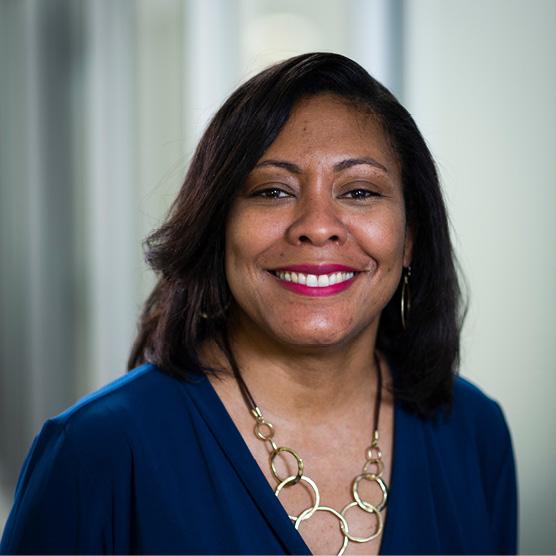
Mia Smith-Bynum, PhD
Professor, Family Science
University of Maryland School of Public Health
Dr. Smith-Bynum can speak about African American mental health, family interaction and communication in ethnic minority families, parenting and racial identity. She also has expertise in adolescent mental health, adolescent sexual behavior and parent-adolescent communication about difficult topics. Her research has been supported by external grants from several entities, including the National Institute of Mental Health and the National Institute of Child Health and Human Development. She directs the Black Families Research Group within the Department of Family Science.
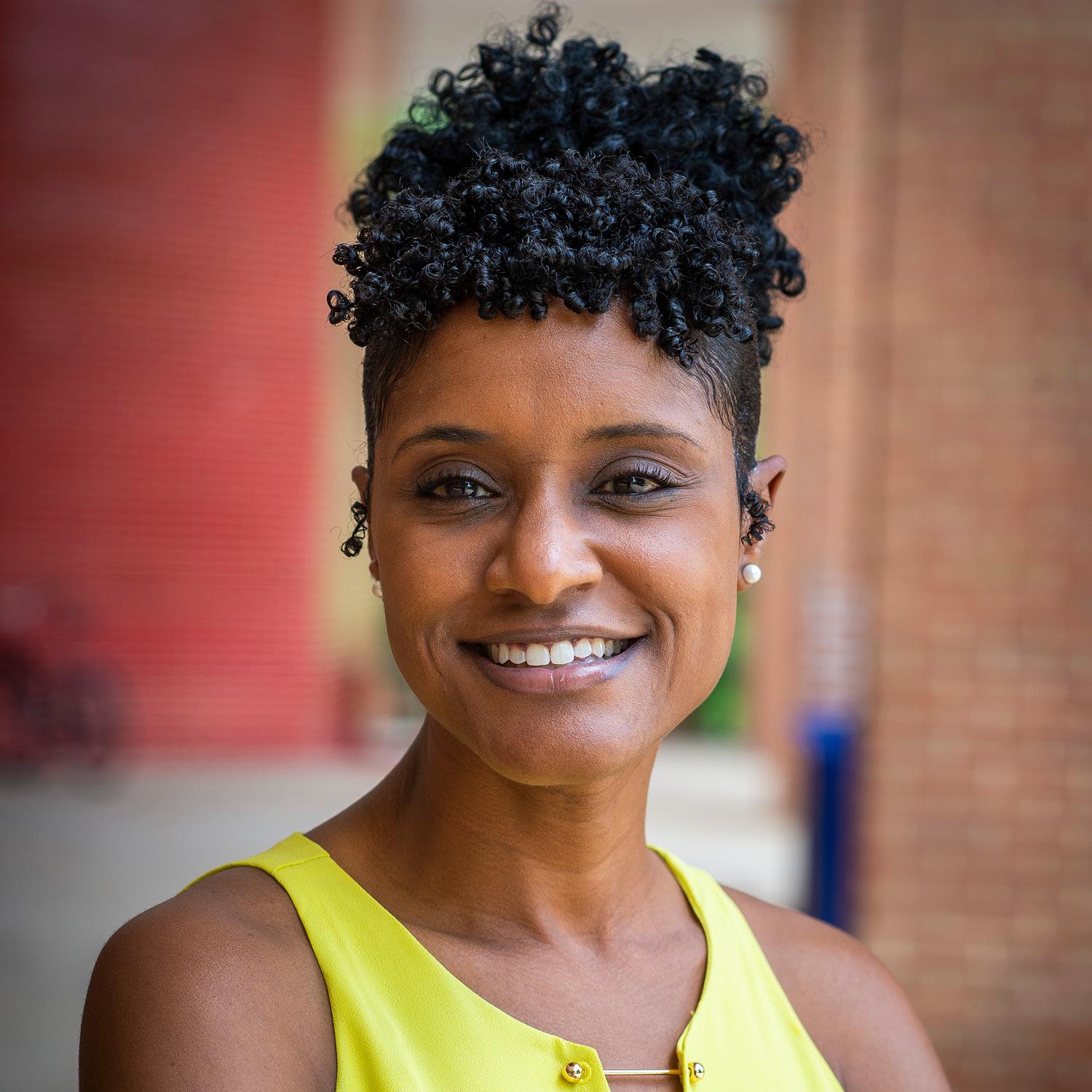
Jennifer Roberts, Dr.PH
Associate Professor, Kinesiology
University of Maryland School of Public Health
Dr. Roberts can speak on the impacts of built, social and natural environments, including the institutional and structural inequities of these environments, on physical activity and public health outcomes of marginalized communities.
Her relevant expertise includes being the founder and director of the Public Health Outcomes and Effects of the Built Environment (PHOEBE) Laboratory, as well as the co-founder and co-director of NatureRx@UMD, an initiative that emphasizes the benefits of time in nature on mental health for the University of Maryland community.
Dr. Roberts leads the Purple Line Light Rail Impact on Neighborhood, Health and Transit (PLIGHT) Study to investigate changes, as a result of a new 16 mile light rail line, in active transit, overall physical activity, obesity and obesity-related cardiovascular risks among Prince George’s County, Maryland adults, a population comprised of over 80% African American and Hispanic residents who are predominately obese or overweight. She is also part of the Harvard JPB Environmental Health Fellow cohort, a group of compassionate multidisciplinary investigators who are working on research designed to address social and environmental health disparities that disproportionately impact vulnerable communities. As part of this fellowship, Dr. Roberts leads the Gauging Effects of Neighborhood Trends and Sickness (GENTS) Study to examine the risk of transit-induced gentrification and the associated health effects (e.g., anxiety) as related to the aforementioned Purple Line light rail.
Additional information on Dr. Roberts can be found at jenniferdeniseroberts.com
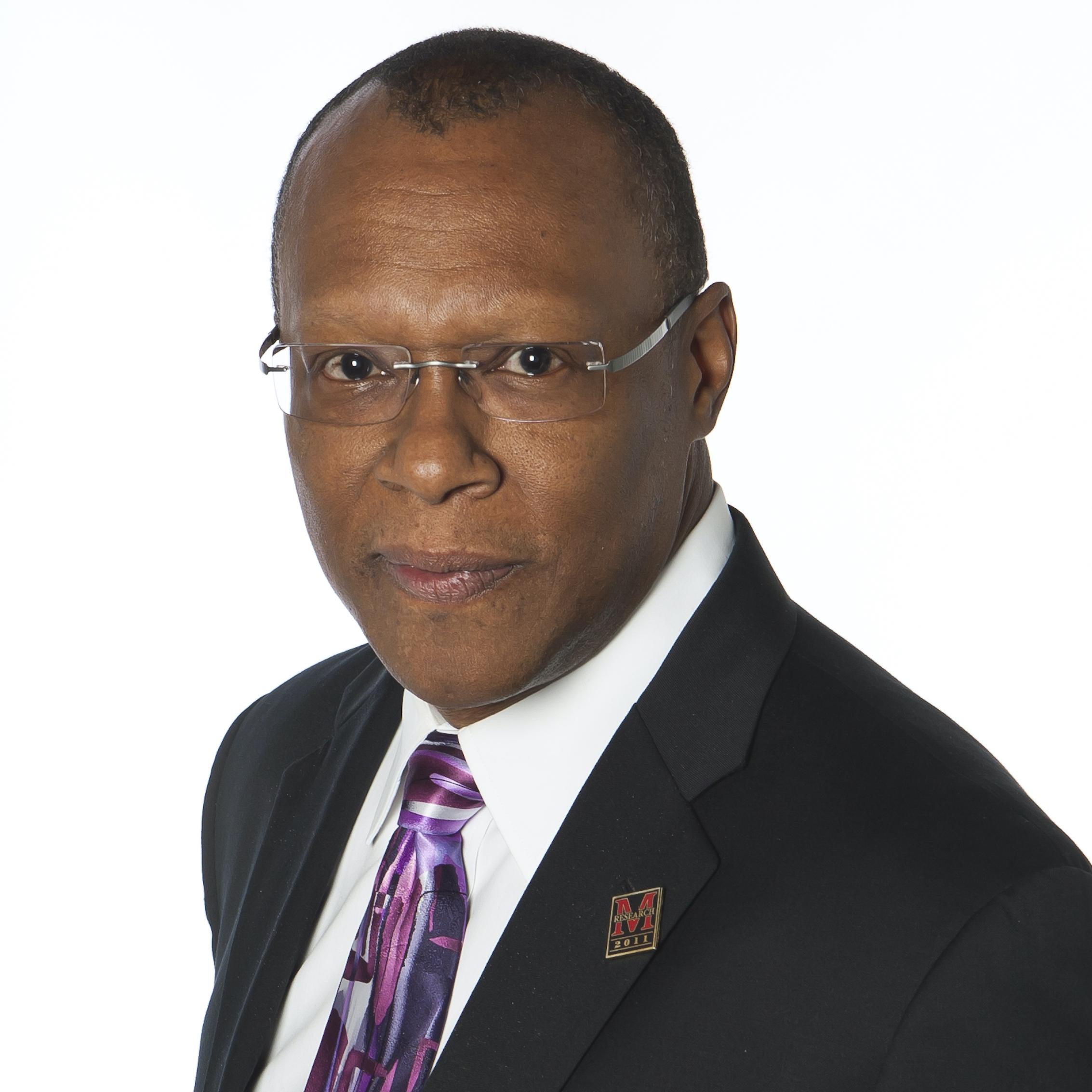
Stephen B. Thomas, PhD
Professor, Health Policy and Management
Director, Maryland Center for Health Equity
University of Maryland School of Public Health
Dr. Thomas is available to speak minority health research, community-engaged interventions and a variety of conditions from which minorities generally face far poorer outcomes, including cardiovascular disease, diabetes, obesity, HIV/AIDS and COVID-19.
His relevant experience includes being the founding director of the University of Maryland Center for Health Equity (M-CHE), an NIH Center of Excellence on Race, Ethnicity and Health Disparities Research funded by the National Institute on Minority Health and Health Disparities, as well as creating the Health Advocates in Reach and Research (HAIR) program, a network of barbers and stylists who engage in community health promotion. The HAIR program has engaged in colon cancer awareness and prevention efforts, and since the start of the coronavirus pandemic has shifted to providing education about the virus and getting people comfortable with taking the COVID-19 vaccine.