
School of Public Health News
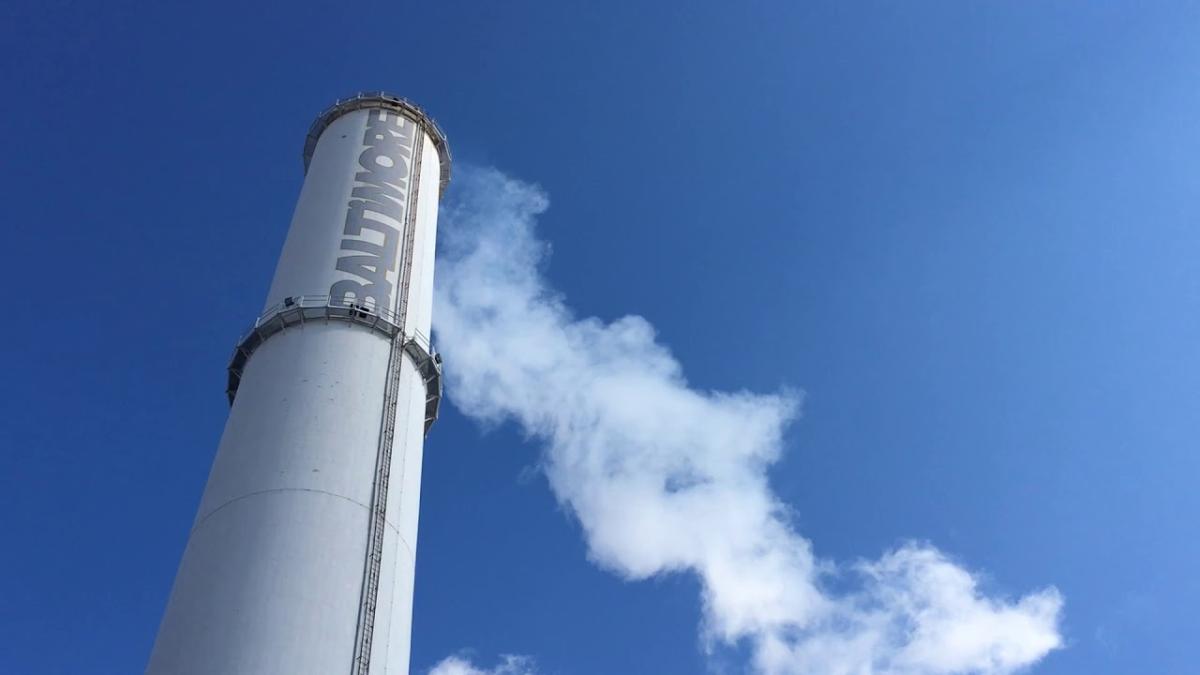
Mid-Atlantic Climate Action Hub Launches with $2.2 Million from Robert Wood Johnson Foundation
A $2.2 million grant will help launch a University of Maryland-led initiative to address the effects of environmental racism and climate change across the Mid-Atlantic region, providing financial and training support and advocating for policy changes.
The Mid-Atlantic Climate Action Hub (MATCH), wi...
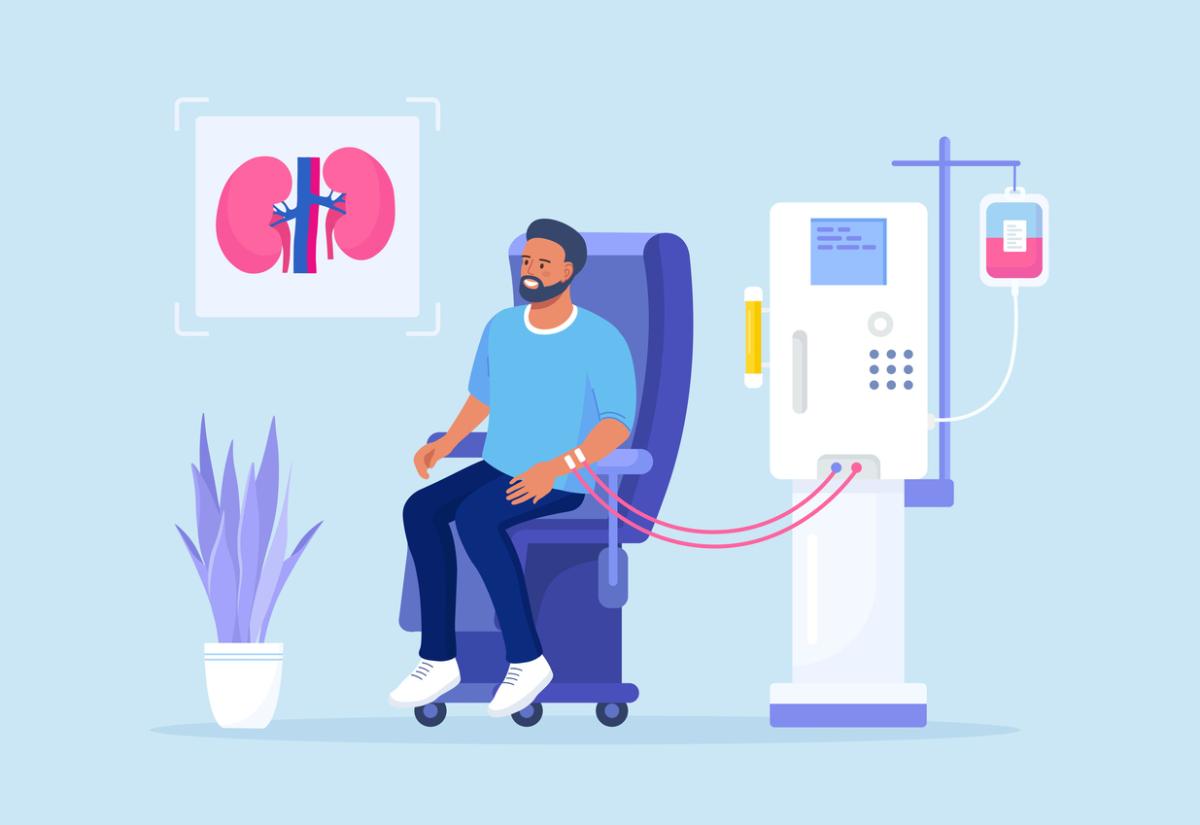
Protecting Kidney Patients in the Face of Climate Change
Professor Amir Sapkota's new preparedness framework includes a timeline and steps to keep chronic kidney disease patients safe before a natural disaster strikes.
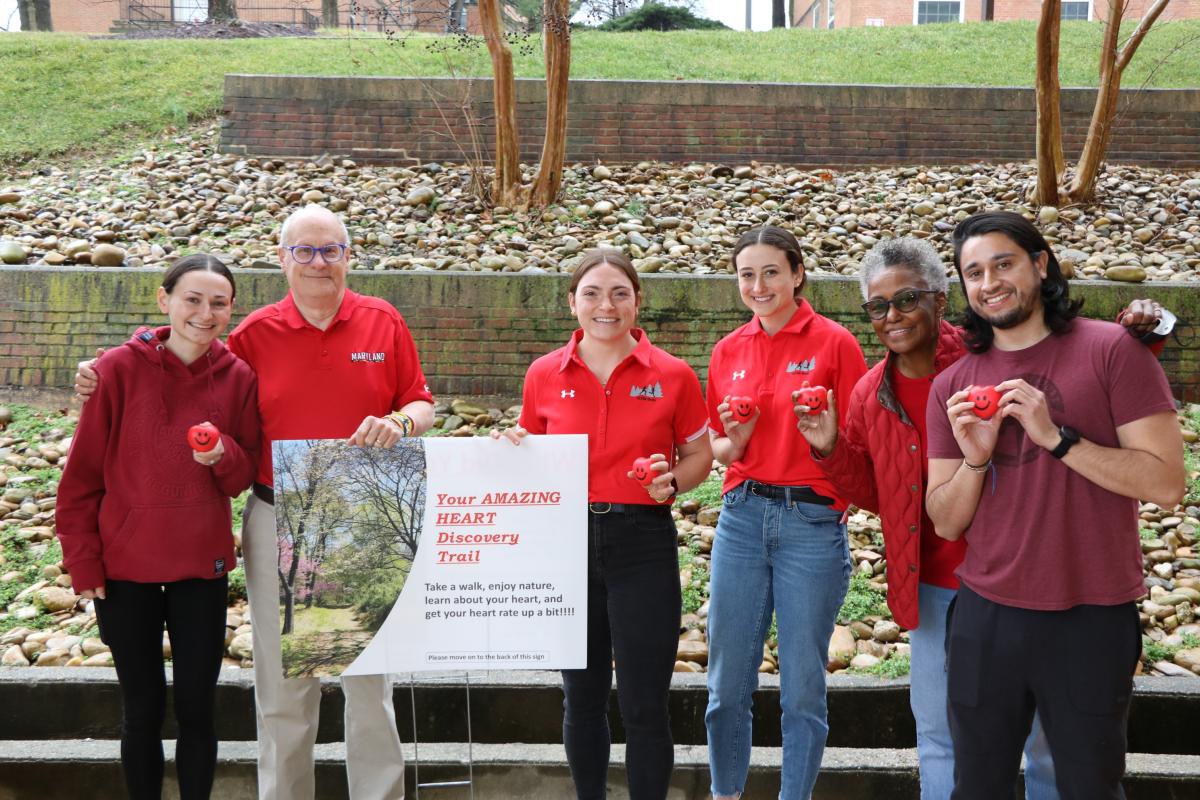
Discover Your Heart: Interactive Trail Teaches About Cardiovascular Health
Opening February 11 in honor of American Heart Month, the “Heart Discovery Trail" is an existing one-mile loop through Howard County's Middle Patuxent Environmental Area that includes educational signs bearing heart facts and quizzes.
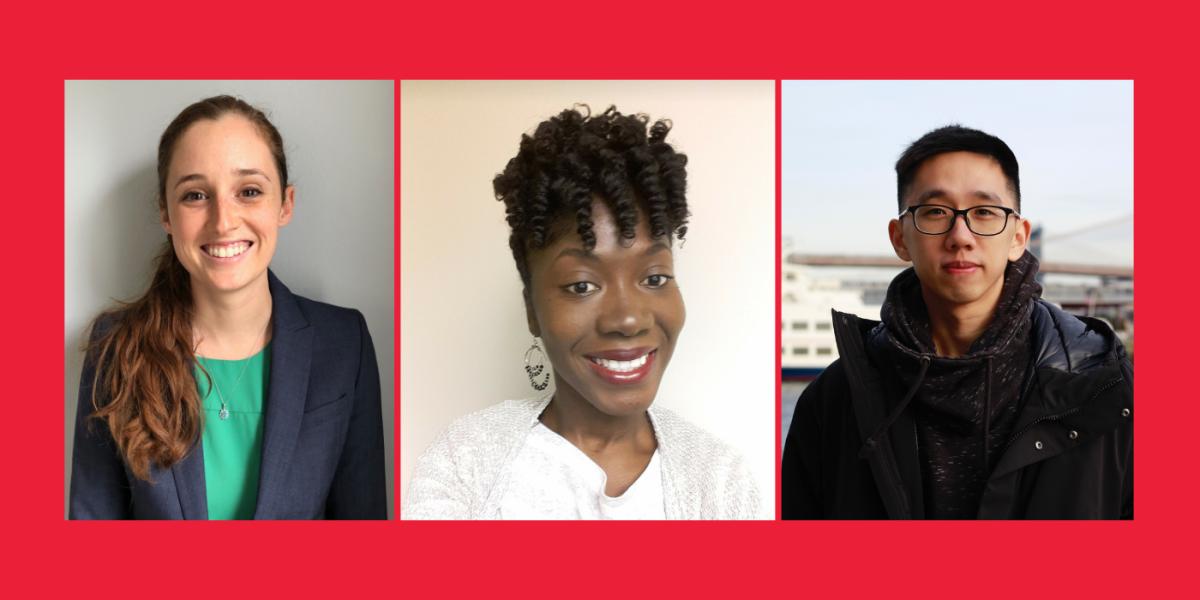
Channell Doig, Essien and Ke Receive Outstanding Graduate Assistant Awards
The Graduate School recently named three School of Public Health doctoral students as recipients of the Outstanding Graduate Assistant Award: Amara Channell Doig, MPH, Ph.D. ’23; Elsie Essien, MPH, Ph.D. ’24; and Hongjie Ke, Ph.D. ’24. The award recognizes the outstanding contributions graduate assi...
A Fearless Focus on Mental Health
Now more than ever, the University of Maryland and the School of Public Health are encouraging students, faculty and staff members to care for their whole selves through a series of programs, resources and a new campus-wide mental health task force.
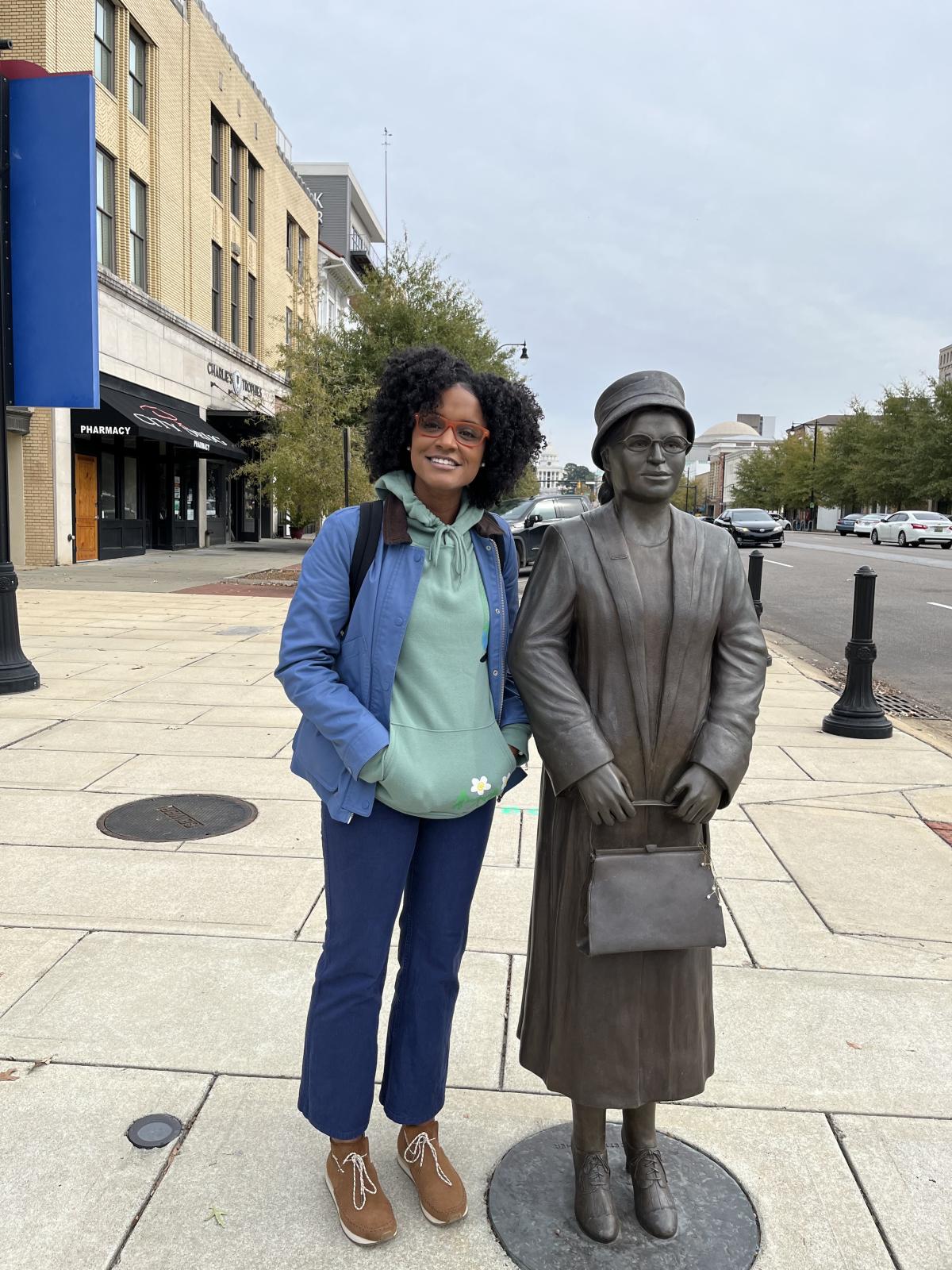
Distilling What Matters Most in the New Year
A chance encounter with living history in Montgomery, Alabama moves Jennifer D. Roberts, associate professor in kinesiology, to connect with a stranger and “walk the walk and not just talk the talk” of shared humanity and justice.

Cheryl Knott Receives Grant to Study Drivers of Cancer Disparities for African Americans
The four-year study will combine national data from sources like the U.S. Census with feedback received during individual and group interviews with African American communities, which face greater obstacles to cancer prevention, detection, treatment and survival.

Pappas Family Establishes Maryland Promise Scholarship to Help Kinesiology Undergraduates Access Higher Education
Greg and Kimberly Pappas have established the Emily Pappas '22 Family Maryland Promise Scholarship with a $125,000 gift in honor of their daughter Emily. It will support undergraduate kinesiology students in the School of Public Health, with preference given to students from underrepresented popula...
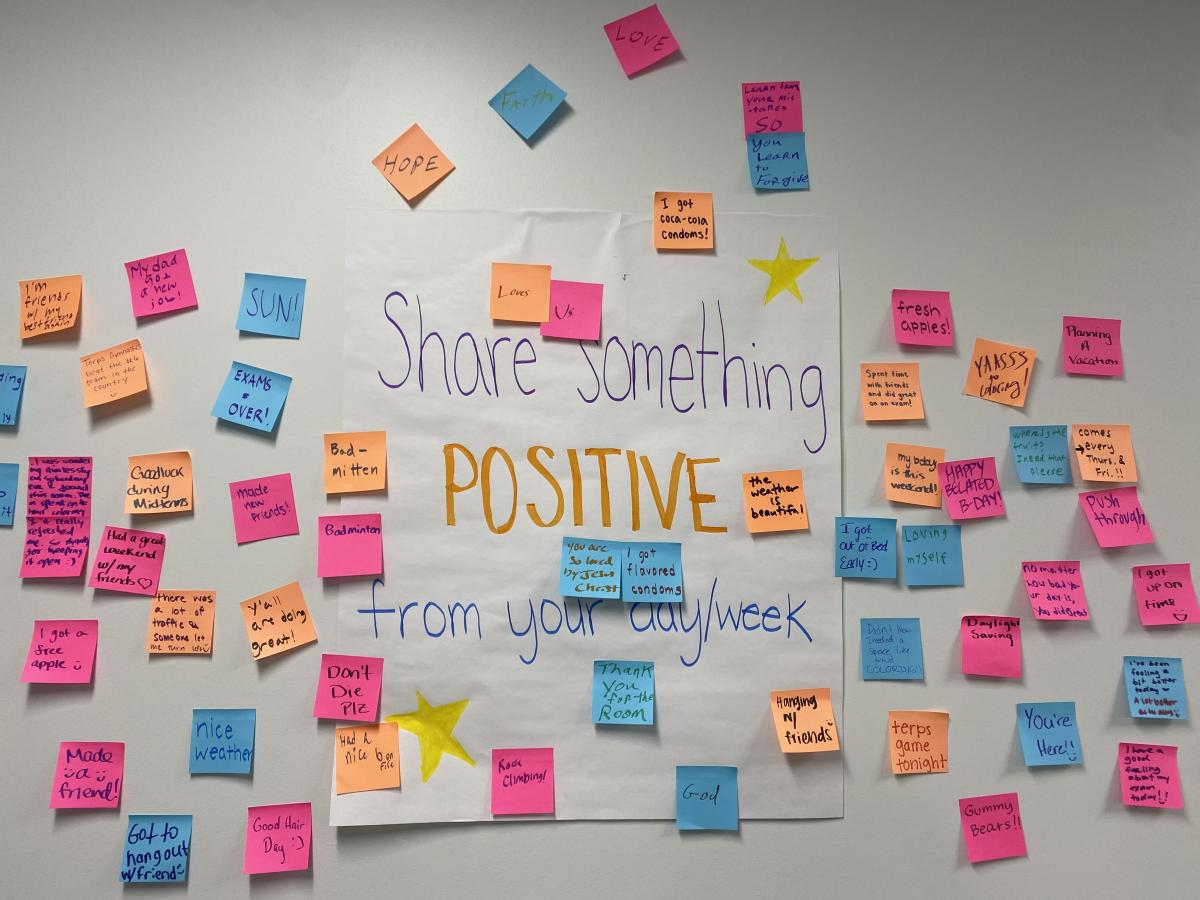
The Happiness Effect
Our Happiness and Wellness Initiative shares "Some Good News" from the SPH and our extended community. You can submit your own good news by email to: happyandwell@umd.edu.
This story was written by Nina Branwell '23.
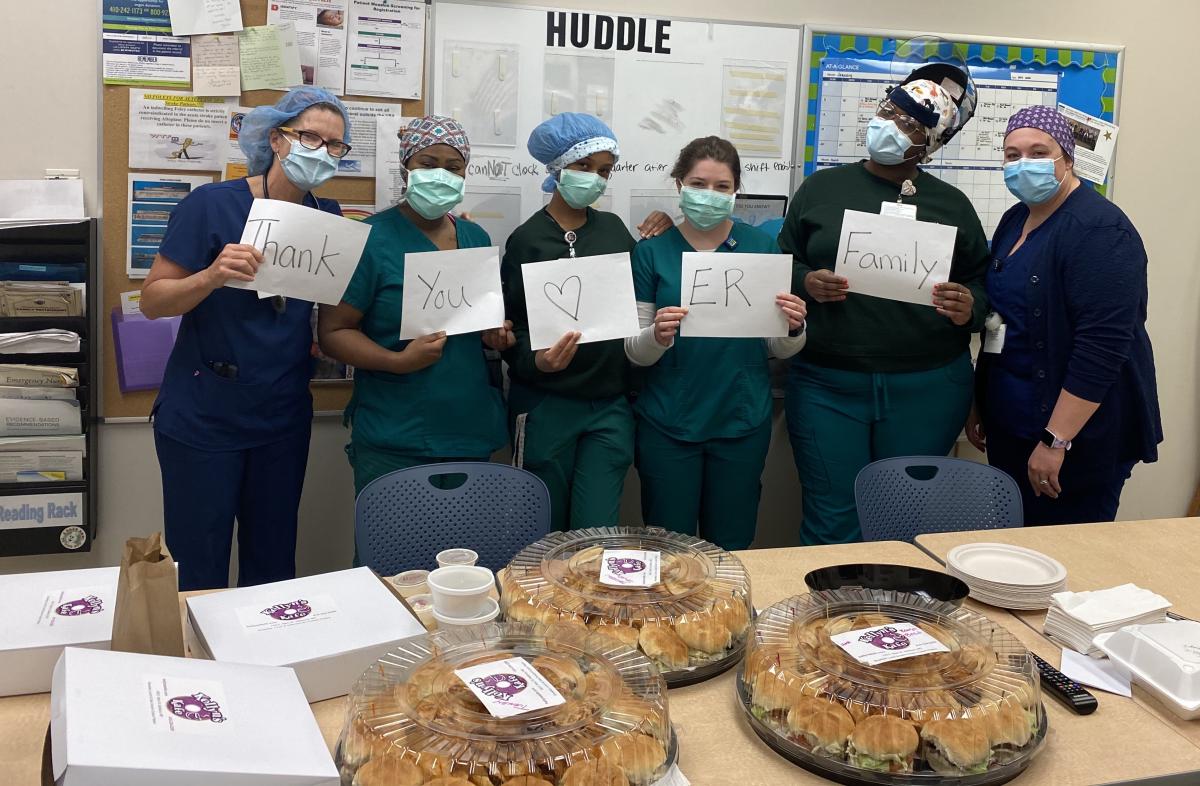
Feeding the Frontline in Maryland
Stephanie Grutzmacher MS ‘04, PhD ‘07, a former University of Maryland School of Public Health employee, is doing public health good during the COVID-19 pandemic by providing meals to ICU and ER healthcare workers throughout Maryland. While Stephanie now lives and works in Oregon, she remains a Mary...