Published this month in the Journal for Alzheimer’s Disease Reports, the study examined the brains and story recollection abilities of older adults with normal brain function and those diagnosed with mild cognitive impairment, which is a slight decline in mental abilities like memory, reasoning and judgment and a risk factor for Alzheimer’s.
During his remarks, EPA Administrator Michael S. Regan recognized Professor Sacoby Wilson, director of Community Engagement, Environmental Justice and Health (CEEJH) in the School of Public Health, for his leadership.
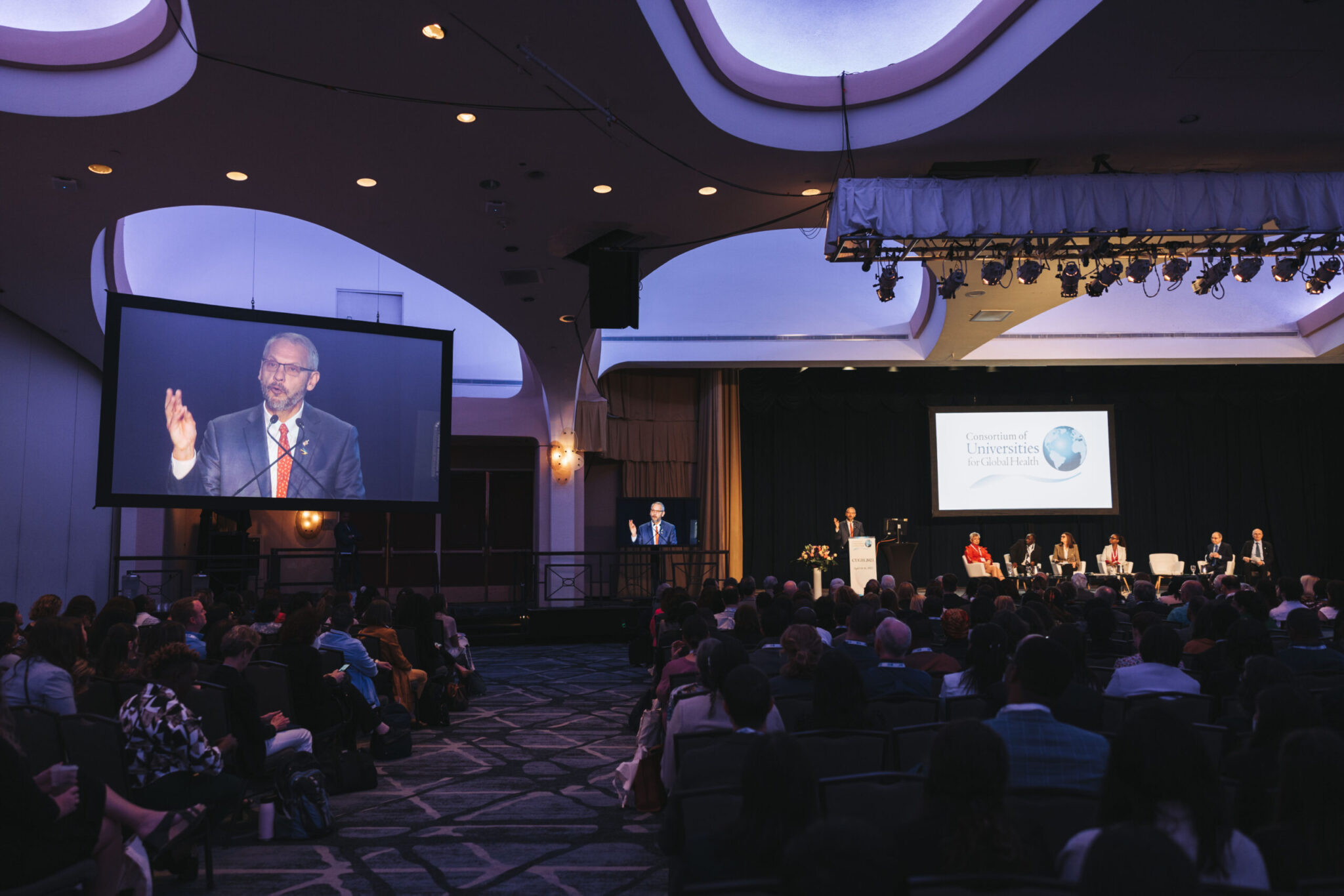
University of Maryland’s Strategic Partnership: MPowering the State recently co-sponsored the Consortium of Universities for Global Health (CUGH) conference: “Global Health at a Crossroads: Equity, Climate Change, and Microbial Threats” in Washington, D.C. Dean Boris Lushniak greeted attendees, reflecting on the individual and joint accomplishments of both universities and the potential to make transformative global impact.
The University of Maryland School of Architecture, Planning and Preservation and the School of Public Health announced today the awardees of their inaugural Healthy Places Seed Grants - a funding program designed to spark innovative research around the challenges of building healthy, equitable communities.
Eight projects received grants through the program.
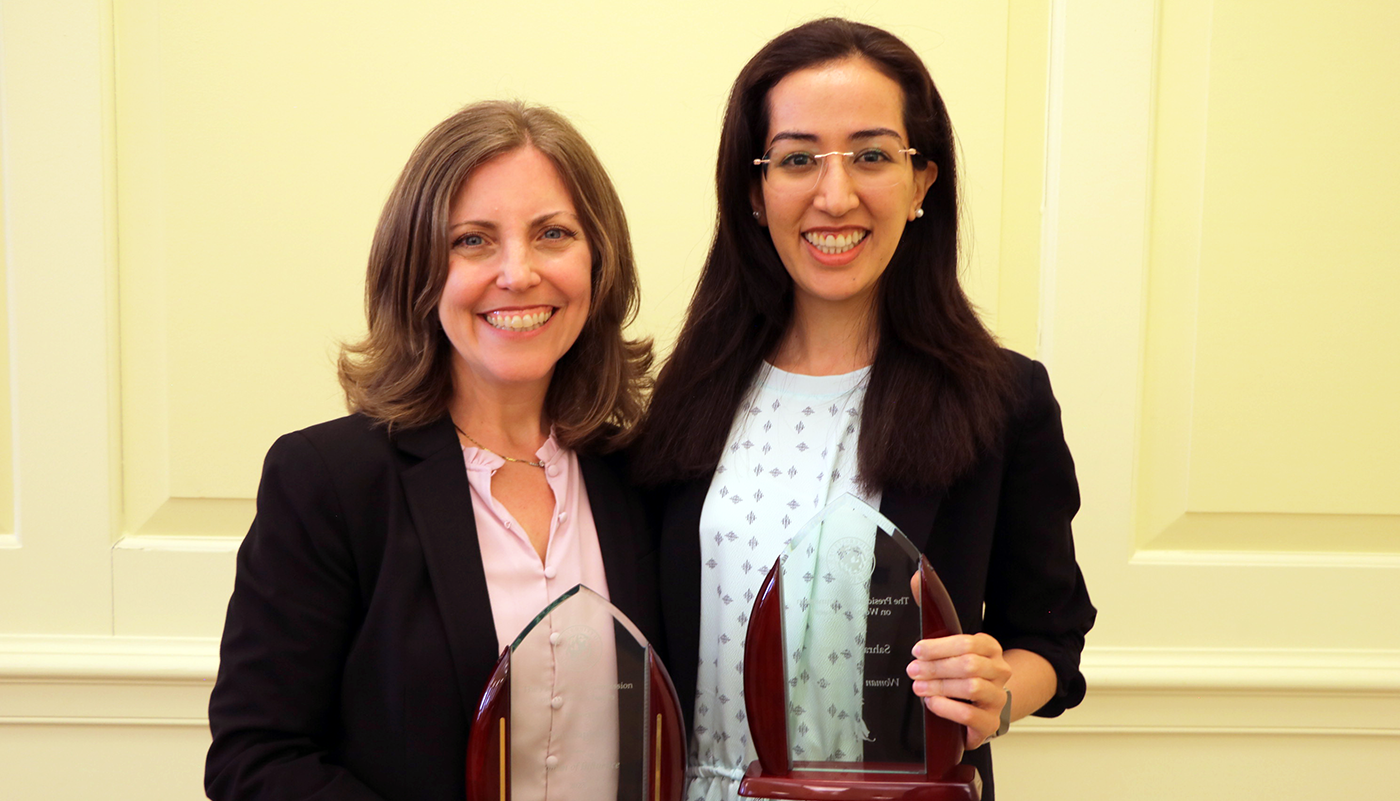
The President's Commission on Women's Issues recently honored Professor Amy R. Sapkota, interim director of the Maryland Institute for Applied Environmental Health, and Sahra Ibrahimi, a family science doctoral student, with its Women of Influence Awards, recognizing their efforts to work Fearlessly Forward with and for women on campus and in the community.
The United States spends more than $800 billion on Medicare health benefits for adults 65 and older annually, yet little is known about whether the program, first established in 1966, helps Americans live longer lives.
The University of Maryland-led center will generate nature-based research, honor communities historically disenfranchised from nature and use programs to advocate the restorative benefits of nature.
The Sexual and Gender Diversity Learning Community (SGDLC) Certificate program is designed to help address gaps in understanding LGBTQ+ mental health care and improve service outcomes for LGBTQ+ persons.
Professor Amelia Arria, director of the Center on Young Adult Health and Development and an expert on the risk of substance use problems among adolescents and young adults, discusses how this change may impact the health of teens and adults.
Funded by a $3 million Institutional Grant from the University of Maryland Grand Challenges Program, the international and interdisciplinary Global FEWture Alliance will focus on alleviating food, energy and water insecurity, protecting environmental and global public health and bolstering community resilience in a changing climate.